




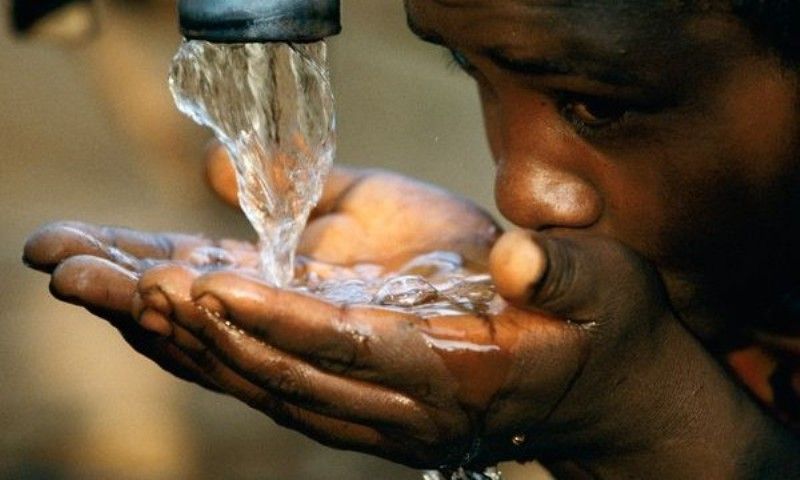
The Ghana Water Justice Network warns that millions of Ghanaians still lack access to safe, affordable, and reliable water, urging stronger investment, policy reforms, and recognition of water as a fundamental human right.
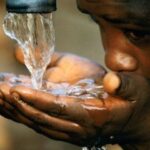
For many communities across Ghana, access to clean and dependable water remains a daily struggle rather than a basic guarantee. According to the Ghana Water Justice Network (GWJN), countless people—especially in rural areas, peri-urban settlements, and low-income urban neighborhoods—continue to face long queues, irregular supply, and rising costs just to meet their most basic needs.
At the center of this crisis are women and children, who often carry the heaviest burden when water systems fail. From walking long distances to fetch water to spending hours waiting at collection points, their time, health, and opportunities are significantly affected.
The situation, GWJN warns, threatens Ghana’s progress toward achieving Sustainable Development Goal 6, which aims to ensure universal and equitable access to safe and affordable water for all by 2030.
🌍 A New Movement for Water Justice
Established in April 2025 and officially launched on April 16, 2026, the Ghana Water Justice Network brings together civil society organizations, community leaders, academics, and technical experts. Under the campaign theme “Water for People, Not for Profit,” the network is advocating for long-term, sustainable solutions to the country’s growing water challenges.
In a statement, the group emphasized that water must be treated as a fundamental human right, especially in the face of worsening climate conditions and continued underinvestment in the sector.
⚠️ Key Challenges Identified
The GWJN outlined several major issues contributing to the water crisis:
💸 Chronic Underfunding
The water sector continues to suffer from inadequate financial support. In 2025, only about half of the government’s allocated capital expenditure for water and sanitation was actually released, with even less being effectively used for infrastructure development.
🚰 High Water Losses
Large volumes of treated water are lost before reaching consumers. This inefficiency not only wastes resources but also denies many households—especially low-income families—access to water they have effectively paid for.
🏘️ Struggles in Small-Town Systems
The Community Water and Sanitation Agency (CWSA) remains severely underfunded, limiting its ability to maintain and expand water systems in smaller communities. As a result, many towns face unreliable services and stalled development.
🌦️ Climate Change and Environmental Damage
The combined effects of climate change and harmful activities like illegal mining (galamsey) are placing increasing pressure on Ghana’s water bodies. Rivers and streams are becoming polluted or depleted, leaving rural populations particularly vulnerable.
📢 A Call to Action
The Ghana Water Justice Network is calling for urgent reforms, increased investment, and stronger accountability to ensure that no community is left behind. Without decisive action, the dream of universal water access in Ghana risks slipping further out of reach.
Their message is clear: water must serve people—not profit—and the time to act is now.